European labour shortages are not a temporary disruption. They are the direct consequence of demographic forces that have been building for two decades: declining birth rates, ageing workforces, and the emigration of workers from lower-wage Eastern European countries to higher-paying Western ones. For recruitment agencies with access to international candidate pools, these shortages represent the most durable commercial opportunity in the market.
The Scale of the Problem
The numbers are unambiguous. The EU unemployment rate stands at approximately 5.8% — effectively full employment in economic terms. Yet job vacancy rates across industry, construction, and services remain well above pre-2020 levels. In Germany alone, there are over 600,000 unfilled vacancies. Poland’s manufacturing sector has absorbed over 1 million foreign workers. Czech Republic, Slovakia, and Romania are all operating with structural shortfalls in multiple sectors.
The European Commission projects that without sustained migration, the EU working-age population will decline by over 50 million by 2070. That is not a crisis on the horizon — it is a structural condition already shaping hiring decisions today.
Construction and Skilled Trades
Construction is the most consistently undersupplied sector across Europe. The shortage is driven by three converging factors:
- Ageing domestic workforce: the average construction worker in Western Europe is over 45. Fewer young people are entering the trade.
- Infrastructure investment: EU-funded infrastructure programmes, housing construction, and energy transition projects have increased demand at the same time as supply is declining.
- Emigration cascade: Polish and Czech construction workers have moved to Germany and Austria; Ukrainian workers have moved to Poland and Czech Republic. Each step in the chain creates a vacancy at the lower end.
In-demand roles: bricklayers, welders, electricians, carpenters, concreters, facade workers. Available across: Germany, Poland, Czech Republic, Austria, Romania, Bulgaria.
Logistics and Transport
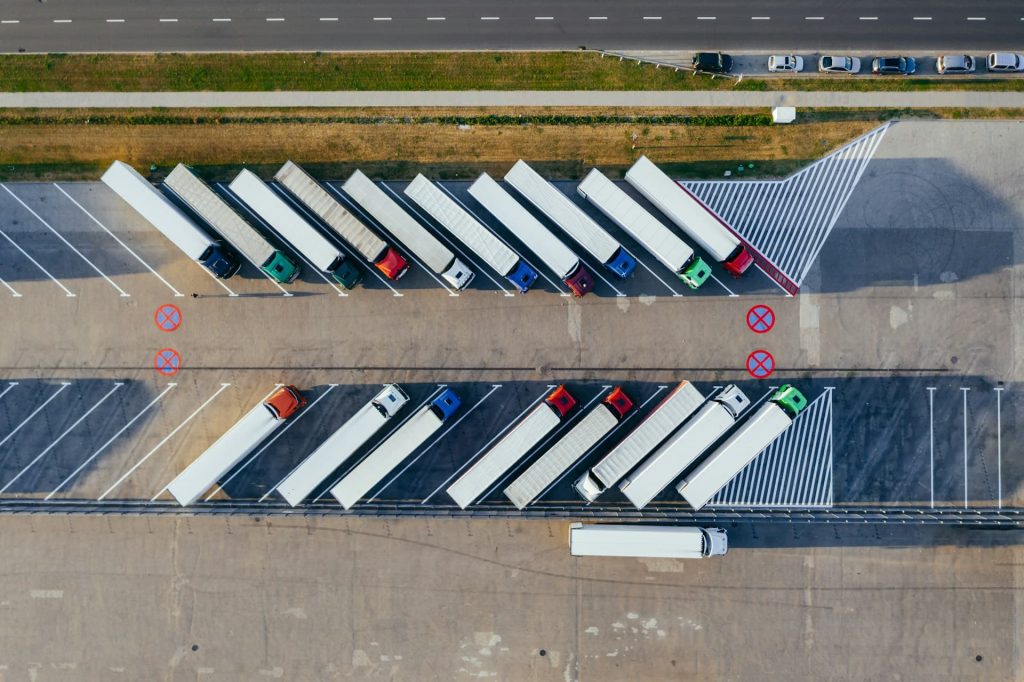
The HGV driver shortage is one of the most quantified labour shortfalls in Europe. Germany has over 80,000 unfilled truck driver positions; Poland is short 120,000+ drivers. Warehouse and logistics roles are similarly undersupplied across the CEE region.
- HGV and CE licence drivers: demand across Germany, Poland, Czech Republic, Romania
- Warehouse operatives and forklift operators: consistent demand in logistics hubs across all major EU economies
- Cold chain and specialist logistics: pharmaceutical and food logistics create premium demand for workers with relevant certifications
Logistics is one of the most straightforward sectors for international recruitment: clear role specifications, consistent employer demand, and relatively accessible permit processes in key markets.
Manufacturing and Production
Manufacturing vacancies across the EU rose 4.2 percentage points year-on-year in Q1 2026. Automotive, food processing, electronics, and packaging are the highest-volume subsectors:
- Production operatives and assembly workers: accessible entry point with low qualification thresholds — the primary volume opportunity for international recruitment
- CNC operators and precision machinists: higher skill requirement but premium placement fees and strong employer retention
- Quality control technicians: consistent demand across automotive and electronics manufacturing
Healthcare and Social Care
Healthcare shortages are acute across the entire EU but concentrated in Germany, Czech Republic, and the Nordic countries. The demographic driver is the most direct: the same ageing population that creates labour shortfalls in manufacturing also increases healthcare demand.
- Nurses and nursing assistants: Germany alone needs 300,000+ additional nursing staff by 2030
- Doctors and medical specialists: rural and regional shortages are critical across CEE
- Elderly care workers: growing demand in Germany, Austria, Czech Republic driven by demographic ageing
Healthcare placements require qualification recognition processes that extend timelines — but the commercial value per placement is among the highest in the market.
Hospitality and Tourism
Tourism sectors across Southern and Eastern Europe face structural seasonal shortfalls. Croatia, Montenegro, Albania, Bulgaria, and Greece all need 30,000–65,000 additional seasonal workers annually. The shortage is compounded by local workers’ preference for permanent employment over seasonal contracts.
- Cooks and kitchen staff: highest demand across all tourism markets
- Hotel and accommodation staff: consistent demand from April through October
- F&B service staff: high volume, relatively low qualification threshold — accessible pipeline opportunity
Ready to Build Your European Recruitment Pipeline?
We work with recruitment agencies at every stage — from first candidate submission to long-term volume partnerships. If you source workers and need verified European employers, we have the infrastructure, the employer relationships, and the compliance framework to support your operations.
Looking for a Reliable Workforce Partner?
If you are a European employer facing labour shortages and need a structured, compliant pipeline of international candidates, we connect you with verified agencies and manage the sourcing process end to end.